Corridor read
Dim Sum & Street Snacks – Cantonese Eats
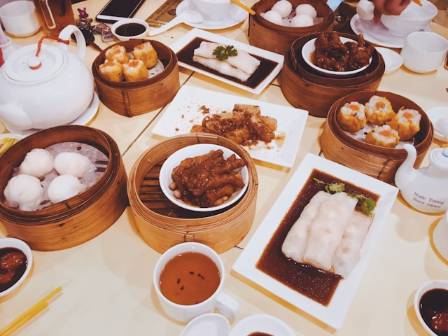
Few food customs embody the idea of communal enjoyment like Cantonese dim sum. Originating in the teahouses of Guangzhou and Hong Kong, dim sum combines cuisine, culture, and family into one delightful experience. Whether served in bamboo steamers at a traditional tea house or sold at bustling street stalls, these small bites have become a cherished part of Chinese cuisine and, increasingly, the global culinary scene.
James Carter
Temple note
Layer tip
The full corridor digest continues below along soft meter ticks.
Path
Temple Corridor
Few food customs embody the idea of communal enjoyment like Cantonese dim sum. Originating in the teahouses of Guangzhou and Hong Kong, dim sum combines cuisine, culture, and family into one delightful experience. Whether served in bamboo steamers at a traditional tea house or sold at bustling street stalls, these small bites have become a cherished part of Chinese cuisine and, increasingly, the global culinary scene.
The Roots of Dim Sum
The term dim sum literally translates to “touch the heart.” It started as light snacks offered alongside tea to travelers along southern Silk Road routes. Over time, this evolved into the Yum Cha tradition — an experience of tea drinking accompanied by a variety of small dishes.
Nowadays, dim sum is as much a social occasion as a meal, where families gather on weekends to share conversation, sip tea, and enjoy a variety of bite-sized dishes.
Beyond Teahouses: Cantonese Street Food
The street food culture of southern China is lively, fast, and inventive. Common snacks include:
Fish balls — springy, flavorful, often served on skewers.
Curry beef brisket — a unique Hong Kong-style East-meets-West dish.
Sweet tofu pudding — soft, silky, enjoyed hot or cold.
Egg waffles — crunchy on the outside, tender inside, now popular worldwide on social media.
These snacks highlight the playful creativity of Cantonese cuisine, balancing taste, texture, and aroma in every bite.
Tea: The Heart of Dim Sum
No dim sum meal is complete without tea. Traditional pairings include:
Pu-erh — aids digestion, ideal with fried dishes.
Oolong — harmonizes richness and sweetness.
Chrysanthemum — floral, cooling, especially refreshing in summer.
Ordering tea signals the start of the meal, emphasizing that dim sum is as much about conversation and connection as it is about food.
Cultural Importance
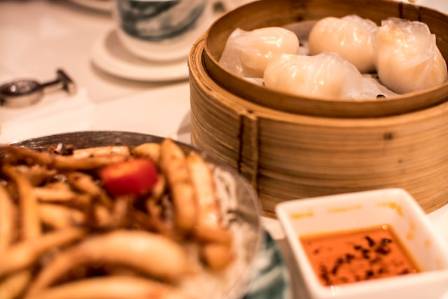
Dim sum embodies community, mindfulness, and moderation — encouraging diners to savor each bite, appreciate flavors, and spend quality time with loved ones. These values echo Confucian and Cantonese ideals of harmony and hospitality.
Modern Adaptations
From Michelin-starred dim sum restaurants in Hong Kong to fusion food trucks in New York and London, dim sum has achieved global recognition. Modern chefs experiment with ingredients like truffle, matcha, or plant-based fillings, yet the tradition of sharing remains central.
Cantonese dim sum and street snacks are more than food — they are expressions of culture and culinary artistry. Whether in Guangzhou sipping tea or in San Francisco grabbing takeout, every bite carries a story connecting past and present, East and West.
FAQ
Q1: What is the difference between dim sum and Yum Cha?
Dim sum refers to the dishes themselves, while Yum Cha is the full experience of drinking tea alongside them.
Q2: When is dim sum typically served?
Traditionally in the morning or early afternoon, but many restaurants now serve it all day.
Q3: Are dim sum dishes always steamed?
No — they can be steamed, fried, baked, or boiled. Variety is a key feature.
Q4: Which teas pair best with dim sum?
Pu-erh and Oolong teas are classic choices, aiding digestion of rich foods.
Q5: Is dim sum exclusively Cantonese?
While most dim sum is Cantonese, other regions have similar small-dish traditions, such as Sichuan snacks or northern-style dumplings.
More along this corridor
MID · en

King Penguin
King penguins occupy a broad range across the sub-Antarctic region, forming large breeding colonies on islands scattered in a rough circle around the Antarctic continent. Their primary habitats include the Crozet Islands, Falkland Islands, Heard Island, Kerguelen Islands, Macquarie Island, Prince Edward Islands, South Georgia, and the South Sandwich Islands. These remote locations provide the cold but relatively stable environments that the species depends upon.
MID · en

Roses: The Timeless Symbol of Beauty and Love
Without question, roses reign supreme as the ultimate “it” flower. Throughout the ages, no other bloom has been more universally admired, cherished, and celebrated. Their presence spans centuries and continents, carrying with them a reputation for elegance, passion, and poetic beauty. Whether captured in a master painter’s brushstrokes, woven into the verses of romantic poetry, showcased in haute couture fashion, or serving as the centerpiece in exquisite floral arrangements, roses appear everywhere—captivating the senses with their delicate fragrance, soft petals, and breathtaking colors. And what unites these countless appearances? Love and romance, of course! They are the flowers of choice for declarations of affection, anniversaries, and grand gestures, speaking a universal language that needs no translation.
MID · en

Sea Surface Topography
Ocean surface topography refers to the height of the ocean surface relative to the geoid, a reference shape of Earth where gravity is considered uniform. Although the sea appears flat when viewed from shore, it is constantly shaped by waves, tides, ocean currents, and atmospheric pressure differences, all of which create subtle variations in sea level across the globe. Studying these variations helps scientists better understand how ocean circulation and current systems function.
MID · en
Chinese Fried Dough Sticks
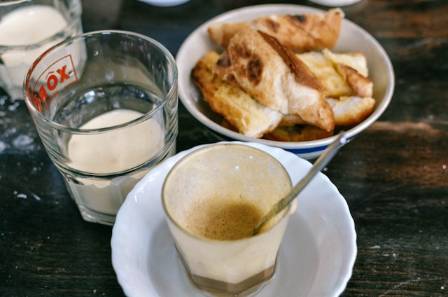
Walk into almost any dim sum restaurant and you’ll likely spot some version of youtiao. Known in Mandarin as “oil sticks,” these long, golden strips of fried dough are light, airy, and slightly crisp—often compared to savory doughnuts or even churros. In China, they’re commonly eaten at breakfast alongside congee, but similar versions also appear across Southeast and East Asia, including Thailand, Laos, Cambodia, and the Philippines, often under different local names.
MID · en
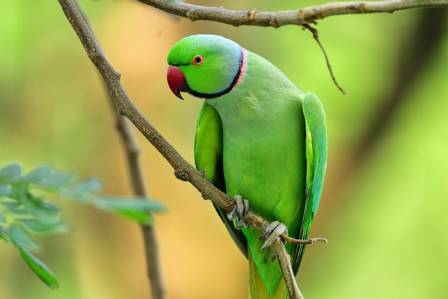
10 Things You Didn’t Know About Parrots
Parrots are known for their exceptional longevity. While many similarly sized birds live just a few years, most parrot species have an average lifespan of 30 years, and some—like larger macaws and cockatoos—can live 80 years or more. Research suggests that parrots with larger brains tend to live longer, thanks to enhanced adaptability.
MID · en

Masterclass in One-Point Perspective: A Step-by-Step Urban Street Guide
Grasping the fundamentals of single-point perspective opens up a world of artistic possibilities. Once the core concept becomes clear, it serves as the foundation for creating everything from three-dimensional typography to complex optical illusions. This tutorial provides a comprehensive, stage-by-stage demonstration of how to construct a realistic street scene, designed to help this essential drawing technique finally "click" for artists of all ages.