Corridor read
Essential Guide to the Black Vulture
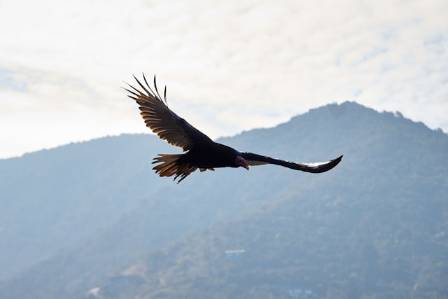
The black vulture, scientifically identified as Coragyps atratus, is a prominent bird of prey categorized within the kingdom Animalia and the family Cathartidae. Its scientific name translates aptly to "raven-vulture clothed in black." This medium-sized scavenger is recognized by its dark plumage, a notably short tail, pale legs, and a distinctive grey head devoid of feathers. Typically, these birds reach lengths of 59 to 74 cm and possess a wide wingspan stretching between 1.4 and 1.6 meters. Weighing in at approximately 1.7 to 2.3 kg, they are formidable figures in the avian world.
Trevor Callahan
Temple note
Layer tip
The full corridor digest continues below along soft meter ticks.
Path
Temple Corridor
The black vulture, scientifically identified as Coragyps atratus, is a prominent bird of prey categorized within the kingdom Animalia and the family Cathartidae. Its scientific name translates aptly to "raven-vulture clothed in black." This medium-sized scavenger is recognized by its dark plumage, a notably short tail, pale legs, and a distinctive grey head devoid of feathers. Typically, these birds reach lengths of 59 to 74 cm and possess a wide wingspan stretching between 1.4 and 1.6 meters. Weighing in at approximately 1.7 to 2.3 kg, they are formidable figures in the avian world.
Habitat, Distribution, and Diet
Black vultures occupy an immense geographical territory, spanning from Canada in the north down through the United States, Central America, and reaching as far south as Argentina and Uruguay. They are particularly prevalent at lower altitudes. While they prefer the cover of thick forests for breeding purposes, they usually seek out food in wide, open landscapes. For resting, they favor secluded groups of high trees such as oaks, pines, and sycamores.
Their primary source of nutrition is carrion, though they are known to hunt and consume small mammals, birds, and reptiles. Interestingly, these birds possess a specialized digestive system that allows them to eat meat infected with diseases that would be fatal to other animals, thereby preventing the spread of pathogens in the wild.
Behavioral Traits and Reproductive Patterns
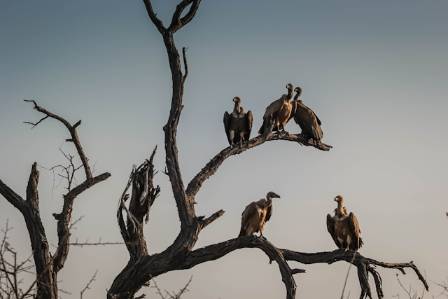
Social and aggressive, black vultures typically forage in large parties. Their assertive nature often drives away other scavenger species from a food source. They exhibit fascinating defensive behaviors; for instance, if a vulture feels threatened, it might vomit partially digested remains to deter an attacker and reduce its body mass for a quicker takeoff. During the summer, they utilize a process called urohidrosis—urinating on their own legs—to stay cool through evaporation.
In terms of reproduction, these birds are often monogamous, with pairs staying together for multiple seasons and frequently returning to the same successful nesting sites. Both parents share the responsibility of sitting on the eggs during an incubation period that lasts between 37 and 41 days. A typical clutch consists of two eggs, and the offspring generally reach maturity at three years of age. In the wild, these vultures can live up to a quarter of a century.
Ecological Importance and Conservation Status
Black vultures are vital to the health of their ecosystems. By consuming decaying carcasses, they act as a natural sanitation crew, removing potential sources of infection from the environment. Despite their ecological benefits, they are sometimes viewed as nuisances or pests in certain regions. Because they are occasionally predatory toward small livestock, they have acquired a negative reputation in some cultures.
Current data from the IUCN classifies the black vulture as a species of "Least Concern." The global population is remarkably high, numbering at least 10,000 mature adults, and the population trend appears to be upward rather than declining. Because they are not currently threatened, they are not listed under CITES or by the USFWS. Nevertheless, conservationists emphasize that public education is crucial to improving the bird's image and ensuring its long-term survival alongside human populations.
More along this corridor
MID · en

Exploring the Benefits of Rock Climbing: A Holistic Journey
Rock climbing is more than just a physical activity; it's an experience that enriches both your body and soul. This exhilarating sport offers a multitude of advantages, ranging from physical strength and toning to profound psychological and emotional growth. Here, we delve into the multifaceted benefits that rock climbing has to offer.
MID · en

8 Chic Winter Outfit Ideas for Women
Winter doesn’t have to mean dull or shapeless clothing. Cold weather brings the perfect excuse to play with layers, textures, and cozy essentials that can look just as fashionable as they are practical. From weekend strolls to fancy evenings out, these winter outfit ideas will keep you warm while turning heads.
MID · en
Beachcombing & Seashells
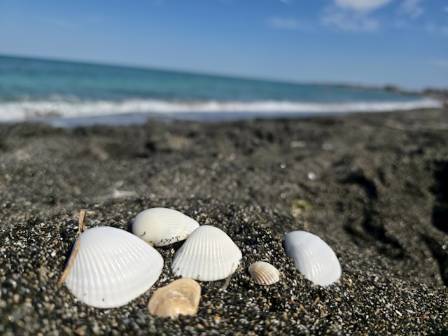
The Turks and Caicos Islands are surrounded by a remarkable marine ecosystem filled with colorful coral reefs, clear waters, and abundant sea life. Because of this rich underwater environment, visitors can discover a wide range of beautiful seashells along the islands’ beaches and shorelines. Many tropical Atlantic shell species found throughout the Caribbean and Gulf of Mexico can also be seen here.
MID · en

Top 5 Best Off-Road Motorcycles
Riding off-road isn’t just about speed—it’s about freedom, adrenaline, and the thrill of exploring untamed trails. From steep rocky climbs to sandy paths, the right motorcycle transforms the experience. Picking the perfect bike depends on your style, skills, and terrain. Here’s a look at five standout models and the essentials to consider before your next adventure.
MID · en

The Best Egg Tarts Recipe
The comforting smell of warm egg custard wrapped in a crisp, buttery shell is something that instantly reminds me of wandering through a bustling dim sum bakery. After many attempts at recreating that experience at home, I finally discovered how to make truly authentic Hong Kong-style egg tarts. Forget the bland store-bought versions—this homemade recipe delivers a golden, flaky crust and a smooth, creamy custard that feels like pure luxury in every bite. It’s not just dessert; it’s a small moment of joy.
MID · en

The Dawn of Human Space Exploration: The Pioneers
Humanity’s journey beyond the atmosphere began on April 12, 1961, when Soviet cosmonaut Yuri Gagarin became the first person to enter outer space. Aboard the Vostok 1 spacecraft, Gagarin completed a single orbit of the Earth during a mission that lasted 108 minutes. The craft was launched from a site originally identified as being near Baikonur, Kazakhstan, though it was later revealed the actual departure point was closer to Tyuratam to maintain strategic secrecy. Today, this historic site is known as Gagarin’s Start within the Baikonur Cosmodrome.