Corridor read
Crafting Nostalgia: A Guide to Homemade Frosted Animal Cookies
Recreating a childhood classic at home is a rewarding way to enjoy a beloved snack while maintaining full control over the ingredients. These miniature sugar cookies, modeled after various animals, are dipped in a smooth, colorful glaze and finished with a generous dusting of nonpareil sprinkles. This homemade version captures the whimsical spirit of the original store-bought treats, making them a perfect addition to celebrations, seasonal gatherings, or simply as a playful afternoon snack.
Charlotte Emerson Hayes
Temple note
Layer tip
The full corridor digest continues below along soft meter ticks.
Path
Temple Corridor
Recreating a childhood classic at home is a rewarding way to enjoy a beloved snack while maintaining full control over the ingredients. These miniature sugar cookies, modeled after various animals, are dipped in a smooth, colorful glaze and finished with a generous dusting of nonpareil sprinkles. This homemade version captures the whimsical spirit of the original store-bought treats, making them a perfect addition to celebrations, seasonal gatherings, or simply as a playful afternoon snack.
For many, animal crackers represent a blend of food and imagination. Whether you envision them as a family of lions and bears or simply enjoy the crunch of a well-baked biscuit, these treats evoke a sense of playfulness. While the original crackers are a staple of lunchboxes, crafting them in your own kitchen allows for a fresher taste and the ability to customize the colors—from a traditional soft pink to a vibrant neon hue. Utilizing a small set of animal-shaped cookie cutters is the easiest way to achieve that iconic look.
Preparing the Perfect Cookie Base
The foundation of a great animal cookie is a sturdy yet tender dough. Begin by creaming together room-temperature unsalted butter, granulated sugar, and a pinch of salt. Beat this mixture until it becomes light and aerated. Once the texture is fluffy, incorporate a whole egg, an extra egg yolk for richness, and a dash of vanilla extract. Gradually add the all-purpose flour in stages to ensure it is fully integrated without overworking the gluten, which keeps the cookies crisp rather than tough.
Temperature management is critical when working with such small, detailed shapes. After the dough is mixed, divide it into two portions, wrap them tightly, and allow them to firm up in the refrigerator for at least one hour. When you are ready to bake, roll the dough to a thickness of approximately 1/8-inch. After stamping out your various animal shapes, place the entire baking sheet in the freezer for ten minutes. This brief chilling period prevents the shapes from spreading in the oven, ensuring your giraffes and lions retain their distinct silhouettes.
Baking and Applying the Glaze
Preheat your oven to 375°F (190°C) and bake the cookies for 8 to 10 minutes. You are looking for a very light golden brown tint around the edges. It is vital to let the cookies cool completely on a wire rack before attempting to frost them; a warm cookie will cause the icing to slide off rather than set.
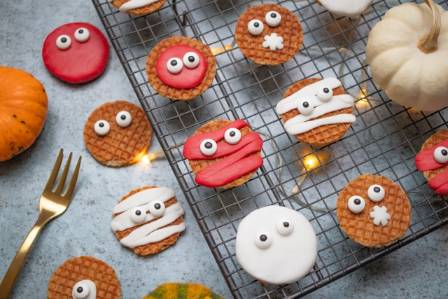
The signature look of these cookies comes from a simple but effective glaze made of sifted powdered sugar and heavy cream. For a variety of looks, you can divide the icing into separate bowls. Leave one white and add a drop of red or neon pink food coloring to the other. To frost, dip the face of each cookie directly into the glaze, then immediately place it back on the rack and top with colorful round sprinkles. Allow the frosting to air-dry for at least an hour until it is firm to the touch. These finished treats can be stored in an airtight container at room temperature for several days, providing a delightful, crunchy bite of nostalgia whenever the craving strikes.

More along this corridor
MID · en
Habitat of the White-bellied Blue Flycatcher
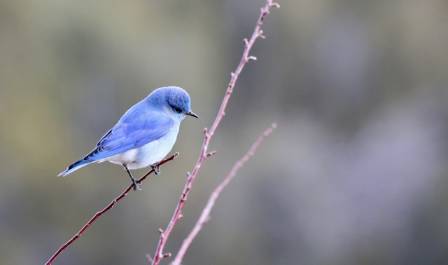
The White-bellied Blue Flycatcher is found in the low, thick understory of evergreen forests throughout the Western Ghats. In the northern part of the Western Ghats, it is primarily associated with dense evergreen woodland and areas along the margins of forest streams. In the southern Western Ghats, the species occurs in evergreen and shola forests, as well as on hillside patches where Strobilanthes species from the Acanthaceae family are abundant. The bird appears to avoid areas of recently regenerating forest.
MID · en

Tracing the Chronicles of the Telescope: A Voyage through Space and Time
The Telescope has earned its place as an invaluable scientific instrument, profoundly altering our understanding of the world and the cosmos.
MID · en
How to Draw a Hot Air Balloon Easily
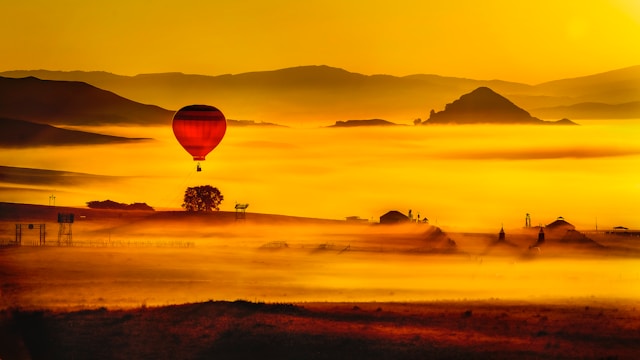
Looking for a simple way to draw a hot air balloon? You’re in the right place! Whether you’re a complete beginner or helping kids explore creativity, this easy step-by-step tutorial is perfect for all ages.
MID · en
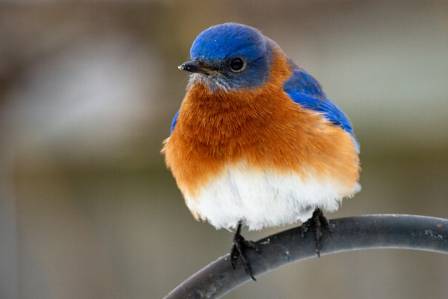
Siberian blue robin facts
The Siberian blue robin (Larvivora cyane) is a small songbird famous for the vivid blue plumage of the male. It belongs to the passerine group, which includes birds that perch using their feet. In the past, this species was considered part of the thrush family, but modern classification places it within the Old World flycatchers. Similar small birds found in Europe are often known as chats. The scientific name Larvivora comes from Neo-Latin and means “caterpillar eater,” while cyane is a Latin word meaning “deep blue,” referring to the striking color of the male bird.
MID · en

Best American muscle cars of all time
American muscle cars have never truly captured the hearts of UK drivers. Their large dimensions aren’t ideal for narrow British roads, and the big engines guzzle fuel — a pricey prospect with our current fuel costs.
MID · en
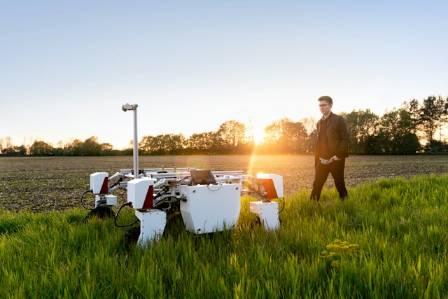
Agricultural Robots Bringing Food to the Table
Agriculture is steadily becoming more automated. The shift initially focused on autonomous tractors equipped with sensors and software that allowed them to operate continuously throughout the day and night. Today, the technology has expanded into a wide variety of agricultural robots equipped with increasingly sophisticated sensors, software, lasers, and specialized gripping mechanisms. These machines can harvest crops, remove weeds, control pests, and perform many other demanding jobs. Here are five emerging agricultural robots currently working on farms across the country.